You know the morning: your first meeting starts on camera, your second one is in a conference room, and by lunch you are working from a cafe with a laptop balanced beside a coffee. The outfit that looked polished in your bedroom suddenly feels too formal at home, too relaxed on screen, or impossible to sit in for eight hours.
I have found that hybrid business casual works best when you dress for movement first and polish second. The goal is not to build a separate outfit for every location. It is to create combinations that still look intentional after a commute, a long video call, and an unexpected face-to-face conversation.
Why Hybrid Business Casual Feels Harder Than Office Dressing
Traditional office dressing had one main test: did the outfit look right in the workplace? Hybrid dressing has at least three. Your clothes must read clearly from the waist up, feel comfortable when you sit for long stretches, and hold their shape after travel. That is why an outfit can look fine in a mirror but fail the moment you appear in a small laptop frame.
The camera test changes everything
Video calls flatten color and hide most of the lower half of your outfit. A dark crew-neck top can turn into a blank shape, while a fine stripe may flicker on screen. The strongest tops have a visible neckline, a clean shoulder line, and enough contrast against your wall or chair. A collar, small earrings, or one textured layer gives the camera something to read without making the outfit feel loud.
The sitting test matters just as much
Try every work outfit seated before you commit to it. Check whether the waistband cuts into your stomach, the jacket pulls across your back, or the hem climbs too far above your shoe. Straight trousers with two-way stretch usually beat rigid denim for a full workday. A jacket with a little room through the upper arm looks sharper after three hours at a desk because it does not crease into a tight fold.
My verdict: the best hybrid outfit is built around one polished upper layer, one comfortable base, and shoes that can handle a short walk. If any piece fails one of those three tests, the outfit is not ready for a mixed workday.
The Four-Part Formula I Use Before 8 A.M.
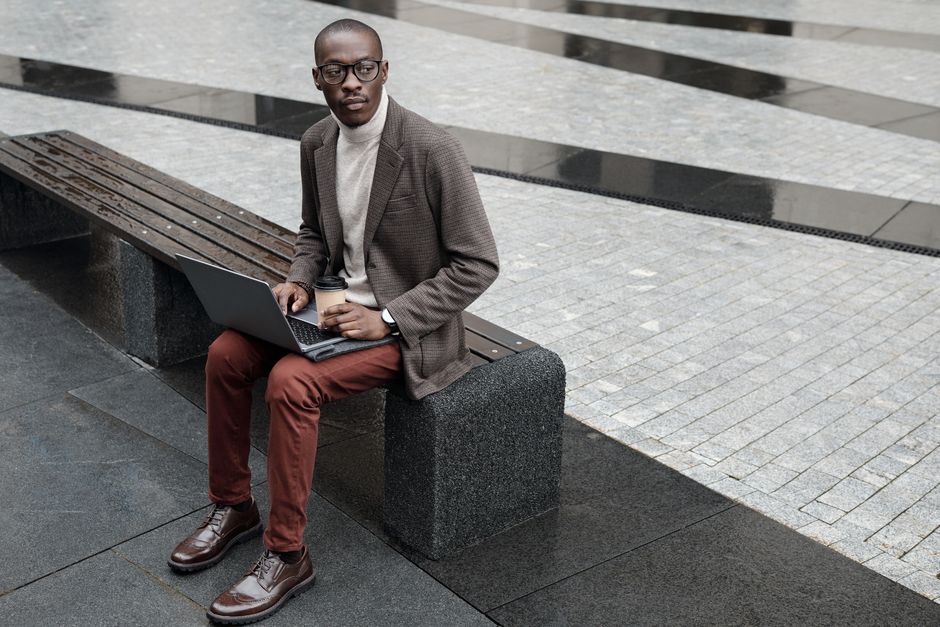
Start with the day rather than the closet. I use four decisions, made in this order, to stop business casual from becoming either stiff or sloppy. This process takes about two minutes and works with a small wardrobe.
- Choose the hardest appointment first. If you have a client call, presentation, or office visit, dress for that moment. A casual internal meeting should not control the whole outfit.
- Pick the base by comfort. Start with a knit top, fine-gauge sweater, or smooth shirt that will not bunch when you sit. Avoid anything that needs constant adjusting around the neck or arms.
- Add one piece with structure. This can be a blazer, chore jacket, cardigan with a defined shoulder, or neat overshirt. One structured layer creates the business part of business casual.
- Finish with a deliberate contrast. Pair soft tailoring with a firmer shoe, or a sharp jacket with relaxed trousers. Matching every piece too closely can make the outfit look like a uniform, while too many casual textures remove the office signal.
Color makes the formula easier. I rely on navy, charcoal, cream, black, camel, and muted blue because they mix without much thought. Then I add one smaller point of interest: a burgundy belt, a patterned scarf, a silver watch, or a shoe in dark brown instead of black.
My clear recommendation is to build five reliable formulas before buying more clothes. Repeat the structure and change the color. People notice fit and finish far more than they notice that the same trouser shape appeared on Tuesday.
Five Outfit Formulas That Move From Desk to Office
The solution is not a larger wardrobe. It is a set of combinations with different levels of polish. The prices below are typical US list prices and can change with seasonal sales, but the useful details are the cut, fabric, and role each item plays.
| Outfit formula | Key pieces | Best use | Approximate price |
|---|---|---|---|
| Soft suit | Quince Ultra-Stretch Ponte Blazer with matching straight trousers | Presentations and office days | About $100 for the blazer |
| Polished knit | M.M.LaFleur Etsuko Knit Top with slim ankle trousers | Video calls and seated work | About $145 for the top |
| Clean commuter | Uniqlo Smart Ankle Pants with a tucked shirt and cardigan | Train rides and casual offices | About $49.90 for the pants |
| Blazer and denim | Quince ponte blazer with dark straight-leg jeans | Creative workplaces | About $100 for the blazer |
| Dress and flat | Simple midi dress with Rothy’s The Point | Warm days and after-work plans | About $159 for the shoes |
The soft suit wins formal hybrid days
The Quince Ultra-Stretch Ponte Blazer is my strongest pick when you need a jacket that can survive sitting, driving, and a little rushing between rooms. Ponte has more recovery than a loose knit, so the front stays neat instead of collapsing around the buttons. Wear it with the matching trousers for a presentation, then swap the shirt for a plain tee if the afternoon becomes more relaxed.
The polished knit wins camera-heavy days
The M.M.LaFleur Etsuko Knit Top gives the upper half of the outfit a clear shape without the stiffness of a button-down. Pair it with Uniqlo Smart Ankle Pants, which sit neatly at the ankle and have enough stretch for desk work. For shoes, Rothy’s The Point adds a finished line without the pain of a narrow high heel. For most hybrid wardrobes, this three-piece combination is the best place to start because each item works in at least three settings.
Do not buy a full matching suit if your workplace rarely requires one. Buy the blazer first and make sure you can wear it with denim, trousers, and a dress. That single test tells you more than a polished fitting-room mirror.
How to Dress for the Camera, Commute, and Office
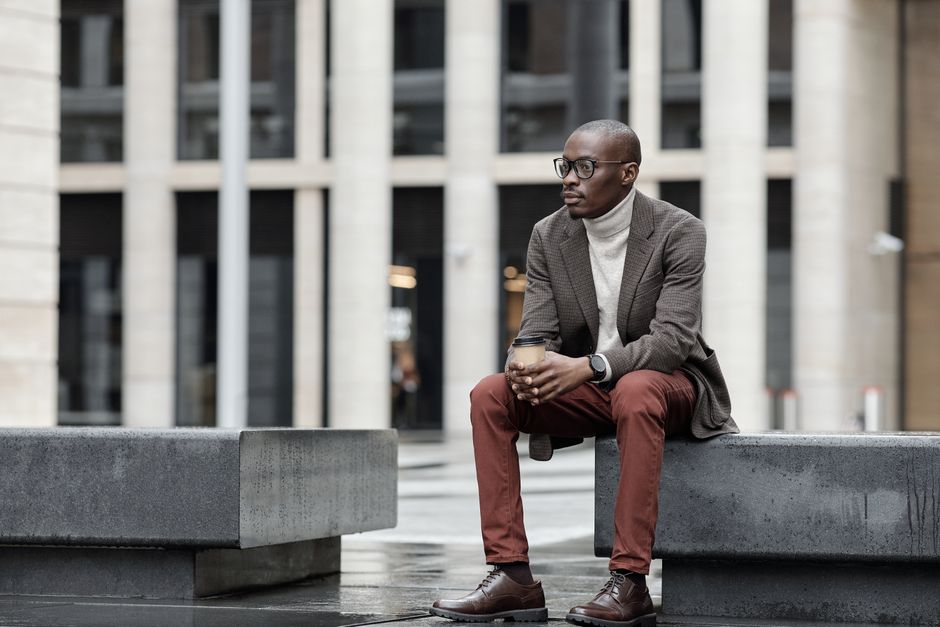
My opinion is simple: dress from the shoulders down, but test the entire outfit before leaving home. A camera-ready top with uncomfortable trousers will make the day miserable, while perfect shoes cannot rescue a jacket that pulls every time you reach for your laptop.
For the first video call
Choose a neckline that stays visible when you lean toward the screen. A scoop neck, open collar, or fine mock neck usually works better than a loose boat neck. Keep the strongest color near your face and avoid tiny prints. If the room is dark, cream, pale blue, rust, and soft green often show more clearly than black or deep gray.
For the trip into the office
Wear layers you can remove. A cardigan or unlined blazer is more useful than a thick jacket that makes your shoulders look bulky indoors. Pack a spare pair of earrings, a lint roller, and a thin belt if your outfit tends to lose shape during travel. On rainy days, choose a flat shoe with a closed toe and a wipeable upper. Rothy’s The Point is a strong option for short commutes, but skip it if you need heavy walking support; a low-profile leather sneaker is the better choice then.
For the last meeting of the day
Keep one crisp element on your body after the commute: a jacket, belt, collar, or clean shoe. You do not need every piece to remain perfect. One clear line is enough to make the outfit look intentional.
Mistakes That Make Business Casual Look Too Casual
Do not solve comfort by removing every structured piece. That is the mistake I see most often. The outfit becomes a collection of soft items, and the wearer looks ready for errands even when every garment is expensive.
- Thin jersey from head to toe: One knit is useful. Three clingy knits usually show every crease and make the outfit lose shape on camera.
- Unplanned sneakers: Clean sneakers can work, but gym shoes with bright soles, mesh panels, or visible wear change the message. Choose a simple leather or minimal canvas pair.
- Oversized everything: A relaxed blazer needs a cleaner base. A wide sweater needs a straighter trouser. Volume works best when only one part of the outfit carries it.
- Wrinkled linen for a formal call: Linen can look excellent, but heavy creasing around the chest and elbows reads as careless in a close frame. Save it for relaxed days or choose a linen blend.
- Buying the wrong jacket size: If the shoulder seam sits beyond your shoulder bone, the jacket will look borrowed. If the button pulls across your chest, size up and tailor the sleeve instead.
Also skip clothes that need a special bra, constant steaming, or careful sitting. A hybrid wardrobe has to perform when your schedule changes. The best piece is not the one that looks perfect for ten minutes in a fitting room. It is the one you can wear for a full day and still trust at 4:30 p.m.
Quick Answers for Your Next Hybrid Workday
What is the safest business casual outfit formula?
Wear straight trousers, a smooth top, and one jacket or defined cardigan. Navy trousers with a pale blue top and a charcoal jacket is my safest combination because it looks clear on camera, works with black or brown shoes, and does not feel like a formal suit. The Uniqlo Smart Ankle Pants are the budget-friendly starting point here because the ankle length works with flats, loafers, and clean sneakers.
Can jeans count as business casual?
Yes, but use dark, straight-leg jeans with no fading, distressing, or oversized pockets. Add a structured jacket and a polished shoe. For a conservative office, I would choose ponte trousers instead; dark denim is a poor substitute for tailoring when the dress code is unclear.
What should I wear when I work from home all day?
Wear comfortable trousers and a top with a visible neckline, then keep a blazer within reach for surprise calls. There is no prize for wearing a stiff jacket while alone at your desk. The smart choice is a soft base that can become presentable in under one minute.
What should I buy first?
Buy the trousers first, then the structured layer, then the shoes. For a clear starter set, choose Uniqlo Smart Ankle Pants, the Quince Ultra-Stretch Ponte Blazer, and a simple flat such as Rothy’s The Point. That combination handles the commute, desk, camera, and office without forcing you into a full new wardrobe.
Return to the morning scene: camera on, laptop packed, office visit after lunch. With these formulas, you do not need to change your identity at every stop. You only need to remove or add one layer, check the shoes, and get on with the work.